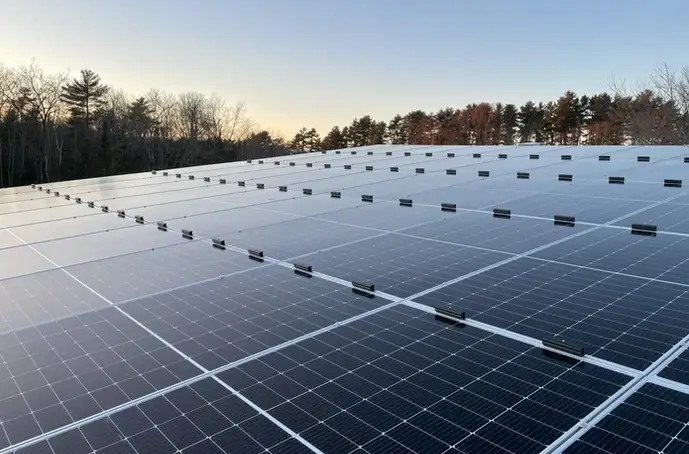
A solar quote can look appealing until you realize the roof beneath the panels is near the end of its service life. Solar panels installed on your roof can be a smart investment, but they also make future roof repairs and replacement more involved. Before signing an installation agreement, make sure the roofing system is ready to support the plan.
For homeowners in Fort Collins and across Northern Colorado, that means looking beyond the panels themselves. Hail, wind, strong sun, snow, and temperature swings all put pressure on a roof. A sound roof helps protect both your home and your solar investment.
Check Your Roof Before Solar Panels Are Installed
The most important question is simple: how many reliable years does your current roof have left? If the answer is only a few years, replacing it before solar installation is usually the practical choice. Removing and reinstalling solar panels later, often called a detach and reset, adds labor, scheduling, and cost to a roofing project.
A professional roof inspection can identify concerns that are easy to miss from the ground. Missing or damaged shingles, exposed fasteners, soft decking, worn flashing, granule loss, active leaks, and storm damage all deserve attention before panels cover the roof surface.
Roof age matters, but it is not the only factor. A newer roof can still have hail damage or installation issues that affect its performance. On the other hand, an older roof that has been well maintained may still have useful life left. The condition of the materials, previous repairs, and the roof's history all help determine the right path.
Why Roof Condition Comes First
Once panels are in place, access to the roof becomes more limited. If a leak develops near a panel mount or flashing detail, the solar equipment may need to be temporarily removed before the roofing repair can be completed correctly. That is an inconvenience nobody wants after investing in a new system.
Panel mounting should also work with the roof, not against it. Every penetration needs proper flashing and waterproofing. Quality installation details direct water away from vulnerable areas and preserve the roof's ability to shed rain and melting snow. Cutting corners here can create leaks that do not appear until months or years later.
The roof's structure deserves a review as well. Most homes can support a properly designed solar system, but the installer should account for the roof framing, panel weight, wind exposure, and snow loads. A qualified roofing professional can help spot existing sagging, damaged decking, or other conditions that should be corrected first.
Plan the Roof and Solar Work Together
If your roof is due for replacement, coordinating the roofing and solar schedules is often the cleanest approach. Complete the roof replacement first, then install the panels on a new, warrantable surface. You begin with fresh materials, clear installation records, and fewer reasons to disturb the system in the near future.
Material selection matters. Asphalt shingles remain a common choice because they are durable, repairable, and compatible with many solar mounting systems. The right product depends on roof slope, budget, local weather exposure, and the expected life of the solar system. A roof built to last helps avoid a costly mismatch between the life of the panels and the life of the shingles.
Ask direct questions before work starts. Find out who is responsible for waterproofing around mounts, whether existing roof damage will be documented, how workmanship warranties apply, and what happens if the roof needs service later. Clear answers protect you better than assumptions.
It is also wise to check [gutters ] (https://metalrivers.com) and drainage. Solar panels can change how snow slides and how water moves across a roof plane. Gutters should be secure, properly pitched, and free of issues that could cause overflow near the foundation. In some cases, gutter guards can help reduce debris buildup, though they do not replace regular maintenance.
Protect the Investment After Installation
Solar-equipped roofs still need attention after storms. Following a hailstorm or high-wind event, look for obvious concerns such as loose shingles, displaced flashing, damaged gutters, or visible panel damage. Do not climb onto the roof or try to inspect electrical components yourself. Schedule a professional inspection when damage is suspected.
Keep records of the roofing work, solar installation, warranties, and photos taken before and after the project. This documentation can be useful for future repairs, warranty questions, and insurance claims. If storm damage affects both the roof and the solar array, prompt documentation helps keep the repair process organized.
Solar energy can serve your home well for years, provided the roof under it receives the same careful planning. A straightforward roof inspection before installation is a small step that can prevent a much bigger headache later.