
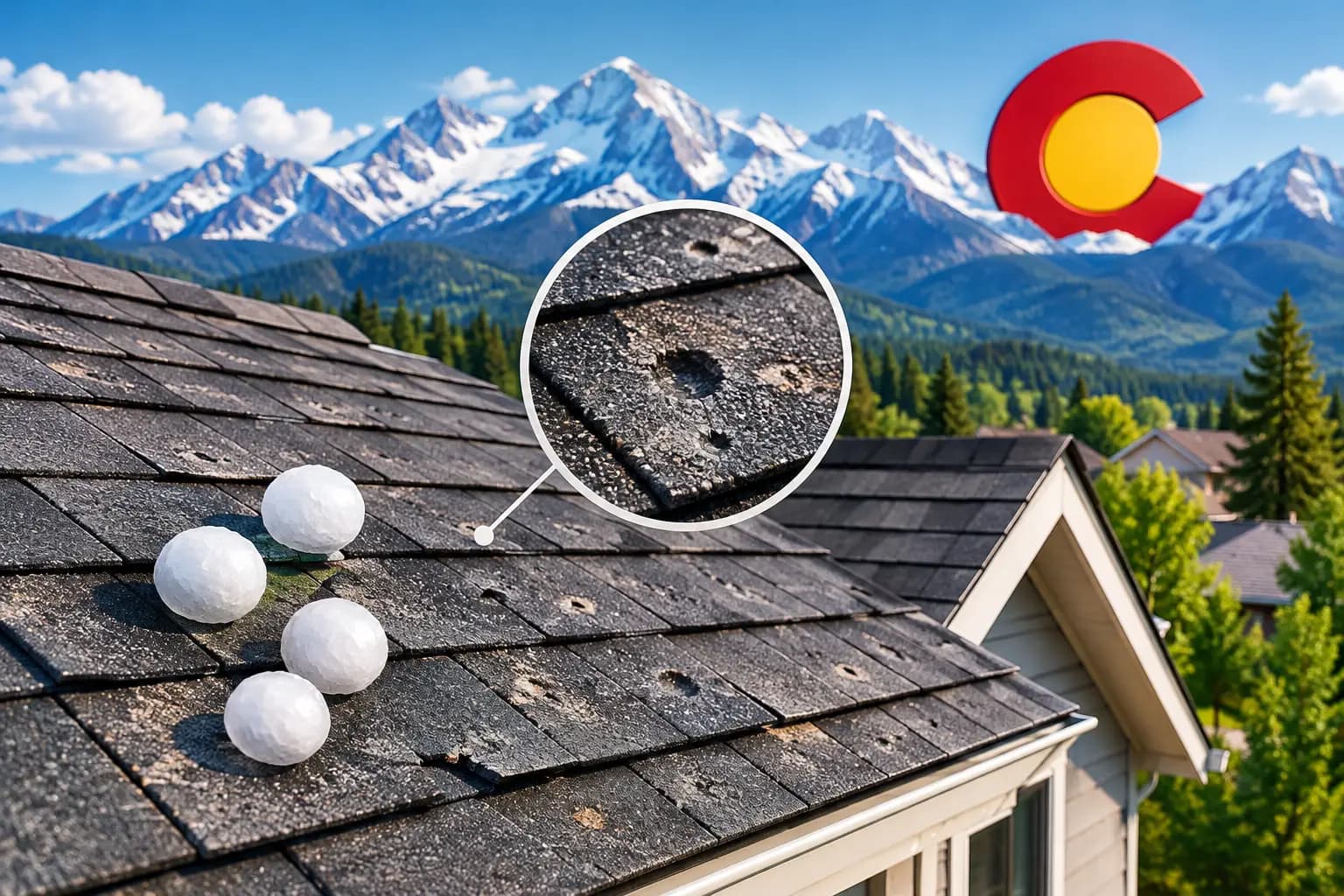
A hard hailstorm can be over in minutes, yet the damage it leaves behind may not show up as a missing shingle or an active leak. Can hail damage roof shingles? Yes - even when the roof looks mostly normal from the ground. That is why a careful inspection after a major storm can help protect your home before a small problem becomes a costly repair.
Can Hail Damage Roof Shingles Without Causing a Leak?
Yes. Hail can damage the protective surface of asphalt shingles without immediately breaking through the roof system. A hailstone strikes with concentrated force, knocking loose the mineral granules that shield the shingle from sunlight and weather. It can also bruise or fracture the asphalt layer beneath the surface.
At first, a hail-damaged roof may still keep water out. The concern is what happens next. Once the protective granules and asphalt are compromised, sun exposure, wind, rain, and winter freeze-thaw cycles can wear that shingle down faster. What began as a small impact mark can eventually contribute to cracking, lifting, leaks, or shortened roof life.
The size of the hail matters, but it is not the only factor. The condition, age, slope, and material of your roof all affect how it responds. An older roof may be more brittle and more likely to show damage from hail that a newer roof could better withstand. Wind direction can also make one side of the roof take a much harder hit than another.
What Hail Damage to Shingles Looks Like
True hail damage often looks different from ordinary wear. On an asphalt shingle roof, a trained inspector may find dark, round impact spots where granules have been knocked away. The impacted area can feel soft or bruised when examined correctly. Some marks are small and subtle, while others are easier to see from close range.
A few signs around your property can also point to a roof inspection being worthwhile. Look for fresh dents in metal gutters, downspouts, vents, flashing, garage doors, window screens, or outdoor equipment. Granules collecting at the bottom of downspouts are another clue, particularly if the roof is not near the end of its expected service life.
Still, none of these signs proves the full condition of the roof by itself. Dark spots can be caused by blistering, foot traffic, manufacturing defects, or normal aging. Loose granules can occur over time as shingles wear. That distinction matters because an honest assessment should separate storm damage from ordinary maintenance issues.
Why a Ground-Level Check Is Not Enough
Walking around the house after a storm is useful, but it has limits. You may notice dented metal or shingle pieces in the yard, yet many impact marks are only visible when someone examines the roof at the proper angle and in the right light.
Avoid climbing onto the roof to investigate. Wet roofs, loose granules, steep slopes, and hidden damage create a real fall risk. Walking in the wrong area can also scuff shingles or make existing wear harder to evaluate. Take photos from the ground if you can do so safely, then arrange a professional inspection.
For Fort Collins and Northern Colorado homeowners, prompt documentation can be especially helpful after widespread hail. Photograph hailstones next to a measuring tape or common object if it is safe to do so. Take clear pictures of any fresh dents, fallen debris, and visible exterior damage before cleanup begins. Note the date and approximate time of the storm as well.
The Most Common Types of Hail Damage
Hail does not affect every part of a roofing system the same way. A complete inspection looks beyond the broad field of shingles to check vulnerable details where water can enter.
- Granule loss: Hail removes or loosens the rough mineral coating that protects asphalt shingles from ultraviolet exposure.
- Shingle bruising: The asphalt mat beneath the granules can be weakened by impact, even when the shingle is not punctured.
- Cracks and splits: Larger or harder hail can crack shingles, especially those that are older or already weathered.
- Damaged roof components: Metal flashing, vents, pipe boots, skylight surrounds, and gutters can all show impact damage that needs attention.
Damage can be concentrated in one roof section, especially on slopes facing the direction of the storm. This is one reason a quick look at a single area cannot tell the whole story.
What to Do After a Hailstorm
Start with safety and basic documentation. Once the storm has passed, check the yard and exterior from the ground. Look for downed branches, damaged gutters, broken screens, or visible water entry. If you find an active leak, place a container beneath it, move valuables out of the area, and call for roofing help as soon as possible.
Next, schedule a roof inspection. A qualified local contractor can inspect shingles, flashing, vents, gutters, and the areas where storm damage is most likely to hide. You should receive a clear explanation of what was found, whether repairs are appropriate, and whether the roof shows signs that may support an insurance claim.
Do not assume every hail event means replacement is needed. A few isolated issues may be repairable if matching materials are available and the rest of the roof is in sound condition. On the other hand, widespread impact damage, significant granule loss, or damage across multiple roof slopes may make replacement the more dependable long-term choice. The right answer depends on the inspection, the roof's age, and the extent of the damage.
How Insurance Claims Usually Fit Into the Process
Homeowners insurance may cover qualifying hail damage, subject to the policy terms, deductible, and insurer's assessment. The key word is qualifying. A claim is not guaranteed simply because hail fell in your neighborhood or because a roof is old and worn.
A professional inspection before or during the claims process gives you a factual starting point. Keep your storm photos, inspection findings, repair records, and communication in one place. If an insurance adjuster inspects the property, it can be helpful to have your contractor available to point out documented storm-related concerns and answer roofing questions directly.
Be cautious with anyone who promises a "free roof" or guarantees claim approval before inspecting the property and reviewing the facts. Trusted roofing help should be based on the actual condition of your roof, fair pricing, and a clear scope of work - not high-pressure promises.
When to Call for a Roof Inspection
Call after any storm that produces large hail, especially if your neighbors have visible exterior damage. It is also wise to request an inspection if you see shingle granules around downspouts, new dents in gutters or vents, water stains on a ceiling, or shingles that appear cracked, lifted, or missing.
Even without obvious warning signs, an inspection can provide peace of mind after a severe storm. Rocky Top Total Roofing helps homeowners understand what their roof needs in plain language, whether that means a small repair, continued monitoring, or a larger restoration plan.
Hail damage is easiest to address when it is identified early, documented clearly, and handled by people who know what they are looking for. A timely inspection gives you the information to make a confident decision before the next Colorado storm tests your roof again.