
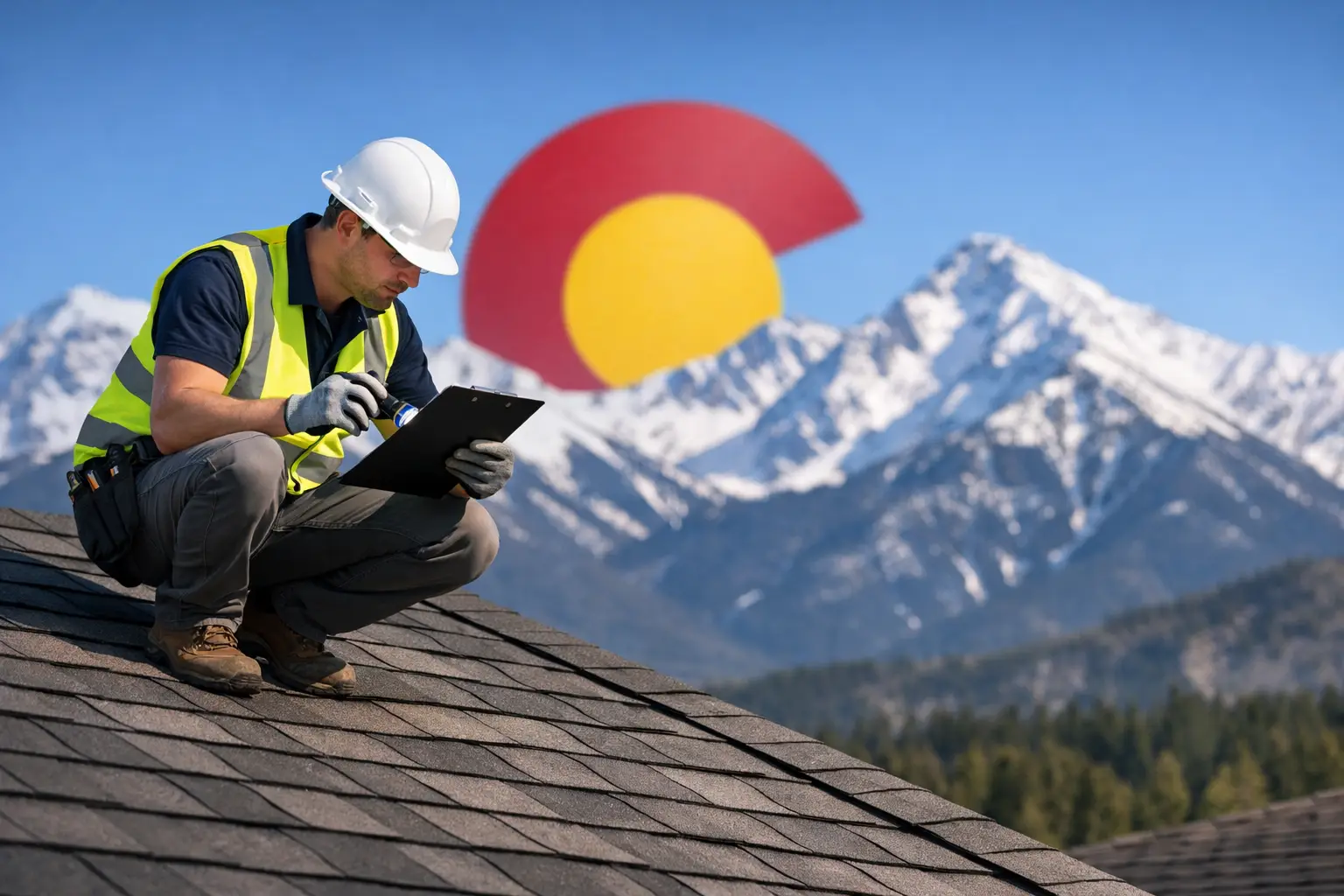
A roof usually does not give you much warning before a small issue turns into an expensive one. A few lifted shingles, a little flashing damage, or granule loss after a storm can stay out of sight until water shows up inside. That is why homeowners often ask, how often should a roof be inspected? For most homes, the right answer is once a year, plus an additional inspection after major hail, wind, or heavy snow events.
That simple schedule covers a lot, but roofing is never one-size-fits-all. The age of the roof, the material, local weather, and any past repair history all matter. In Northern Colorado, where hail and wind can do real damage fast, inspections are less about checking a box and more about protecting your home before minor wear turns into structural trouble.
How often should a roof be inspected for most homes?
For the average residential property, an annual professional inspection is a smart baseline. It gives you a regular chance to catch cracked shingles, worn sealant, exposed nail heads, flashing gaps, drainage problems, and early signs of leaks before they spread.
If your roof is newer and has not been through severe weather, once a year is usually enough. If it is older, has a history of repairs, or already shows wear, twice a year may be the safer route. Spring and fall are the most practical times because they let you check for winter damage and prepare for colder weather ahead.
A lot of homeowners wait until they see a ceiling stain or active leak. By then, the repair is often bigger than it needed to be. A routine inspection costs far less than replacing decking, insulation, drywall, or interior finishes after water has had time to move through the home.
Why Northern Colorado roofs need closer attention
In Fort Collins and the surrounding area, weather is the deciding factor. Hail, high winds, fast temperature swings, and snow loads can shorten the life of a roof or create sudden weak points. Even when a roof looks fine from the ground, storm damage may have loosened shingles, bruised asphalt, dented metal components, or compromised flashing around vents and chimneys.
This is where local experience matters. A contractor who understands common storm patterns and local building expectations knows what to look for and what tends to fail first. That is especially important after hail season, when damage is not always obvious to a homeowner but can still affect insurance claims and future performance.
If your neighborhood has recently had a strong hailstorm or wind event, it makes sense to schedule an inspection even if you do not see immediate interior damage. Waiting too long can make it harder to connect damage to a specific storm, and that can complicate the claims process.
When you should schedule an inspection sooner
Annual inspections are a good standard, but some situations call for faster action. If you notice water stains on ceilings, damp attic insulation, musty smells, sagging gutters, shingle pieces in the yard, or granules collecting near downspouts, do not wait for your next routine visit.
The same goes for visible storm impact. Hail can leave divots, cracks, or bruising that weaken shingles over time. Wind can break the seal that helps shingles stay in place, which makes the next storm more likely to tear them off. Snow and ice can also expose ventilation and drainage issues that are easy to miss in warmer months.
Roof age is another factor. Once a roof gets into its later years, small problems become more common. Materials dry out, sealants shrink, flashing loosens, and repairs from years past may start to separate. An older roof does not always need replacement right away, but it does deserve closer monitoring.
How often should a roof be inspected after a storm?
After a major storm, the answer to how often should a roof be inspected changes from a regular calendar schedule to as-needed action. In practical terms, that means you should schedule a professional inspection as soon as it is safe after hail, strong wind, fallen branches, or unusually heavy snow.
This matters for two reasons. First, some damage gets worse quickly. A loosened shingle or bent flashing edge may seem minor, but one more storm can open the roof system up to water intrusion. Second, if insurance is part of the picture, documenting storm damage early gives you a clearer path forward.
Many property owners make the mistake of waiting until a leak appears. The trouble is that hail damage, punctures, and lifted materials can sit quietly for weeks or months before showing up inside. Early inspections help you address the cause instead of chasing the symptoms later.
What a professional roof inspection should check
A good inspection is more than a quick look from the ground. It should include the condition of shingles or other roofing materials, flashing details, roof penetrations, valleys, ridge caps, drainage flow, gutters, and signs of moisture intrusion around the attic and roof deck if accessible.
The inspector should also be looking for workmanship issues from previous repairs or installations. Sometimes the problem is not age or weather alone. It can be improper nailing, poor sealing, mismatched materials, or shortcuts around vents and edges that leave the roof vulnerable.
On homes with gutters, inspection matters there too. Clogged or damaged gutters can force water back toward fascia, soffits, and roof edges. What starts as a drainage problem can become a roofing problem if it is ignored long enough.
Can you inspect your own roof?
Homeowners can do a basic visual check from the ground, and that is a good habit between professional visits. Look for missing shingles, sagging lines, metal flashing out of place, clogged gutters, or debris buildup in valleys. Inside the home, check the attic for water stains, mold, damp insulation, or daylight coming through where it should not.
What you should not do is assume a ground-level look tells the full story. Many forms of damage are subtle. Hail bruising, soft spots, compromised seals, and early flashing failure are easy to miss without training. Climbing onto the roof also creates safety risks, especially on steep slopes or after storms.
A professional inspection gives you better information and a clearer recommendation. Sometimes the answer is simple maintenance. Sometimes it is a targeted repair. And sometimes the inspection confirms that your roof is in solid shape, which is useful to know too.
Inspection frequency by roof age and condition
If your roof is under 5 years old and has not been hit by severe weather, yearly inspections are usually enough. Between 5 and 15 years, annual inspections remain wise, with extra checks after storms. Once a roof moves beyond 15 years, twice-yearly inspections often make more sense because aging materials can change quickly.
Condition matters as much as age. A well-built roof with proper ventilation may outperform an older roof that has been patched repeatedly. On the other hand, a newer roof installed poorly may need more attention than expected. That is why a real inspection schedule should be based on performance, not just the installation date.
For commercial properties, timing can differ depending on roof type, drainage layout, rooftop equipment, and foot traffic. Flat and low-slope systems often benefit from more frequent inspections because drainage issues and membrane wear can progress quietly.
The cost of waiting too long
The biggest reason to stay proactive is simple: roof problems spread. Water does not stay in one spot. It follows decking, framing, insulation, and wall cavities. A repair that could have been straightforward in early spring can become a much larger project by late summer if the damage keeps moving.
There is also the question of lifespan. Routine inspections and timely repairs help you get more years out of your roof. Skipping maintenance does the opposite. It allows small failures to shorten the service life of materials that still had plenty of useful years left.
For homeowners in Fort Collins, this is especially relevant after storm season. If your roof took a hit, getting it checked sooner protects both the house and your budget. Rocky Top Total Roofing sees this often – homeowners who act early usually have more options and fewer surprises.
A roof inspection is not just about finding damage. It is about getting clear, honest information before a small issue becomes a major expense. If it has been a year since your last inspection, or a recent storm rolled through your neighborhood, now is a good time to get ahead of it.