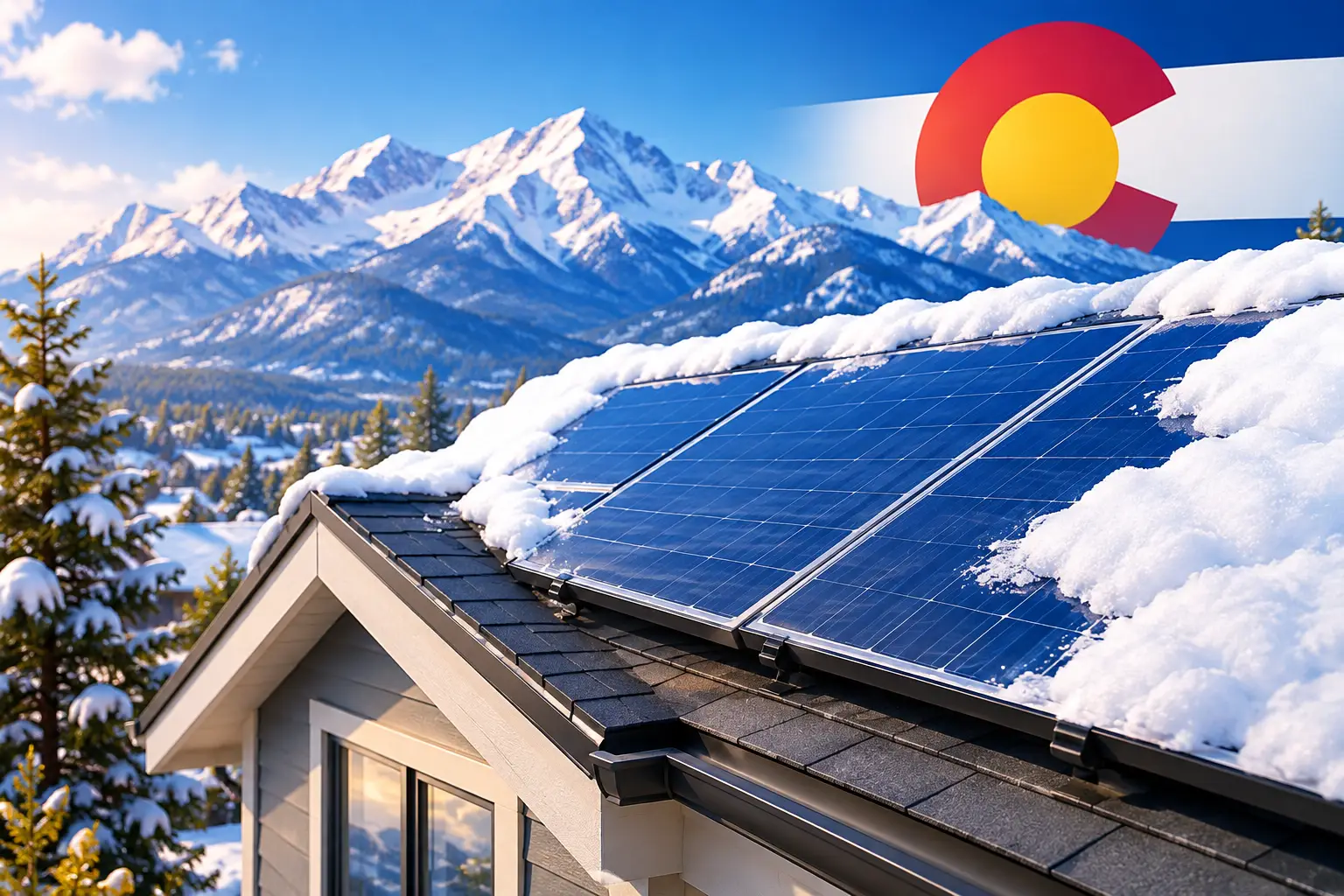
A sheet of snow sliding off solar panels can come down fast, hard, and without much warning. For homeowners asking about solar panels on roofs with snow sliding from them, how to prevent it, the concern is more than appearance. Falling snow and ice can injure someone below, tear loose gutters, damage landscaping, and block walkways at the worst possible time.
Solar panels are a smart investment, but they change how snow behaves on a roof. The smooth glass surface sheds snow more easily than most roofing materials, especially after sunlight warms the panels. The right solution depends on your roof pitch, panel layout, snow exposure, gutter placement, and the area people use below the roofline.
Why snow slides off solar panels so suddenly
Snow does not always melt gradually off a solar array. Panels absorb heat from the sun, and even on cold days, that warmth can loosen the layer between the snow and the glass. Once the snow releases, a large section may slide as one heavy slab.
Steeper roofs increase the speed of the slide. A long, continuous panel array can also create a wider sheet of moving snow than a roof covered only with shingles. In Northern Colorado, repeated cycles of snowfall, sunshine, overnight freezing, and wind can make these releases especially unpredictable.
The danger is usually greatest near entry doors, garage doors, decks, sidewalks, driveways, and lower roof sections. Gutters are also vulnerable. A heavy snow slide can bend the gutter, pull brackets from the fascia, or damage downspouts that are still frozen in place.
How to prevent snow sliding from solar panels on roofs
The most reliable approach is to control where snow stops and where it can safely fall. That often means adding a properly designed snow retention system, not simply attaching a few guards wherever there appears to be room.
Install snow guards designed for the roof and panel system
Snow guards, sometimes called snow stops or snow retention devices, help break up large sheets of sliding snow. They are typically installed in rows above areas where snow could create a hazard. Rather than allowing one large release, they hold snow in place so it can melt or shed in smaller, more manageable amounts.
For a solar installation, the details matter. Some snow guards attach to the roofing system around the array, while others are engineered to work with specific solar panel mounting systems. Never fasten a guard directly through a panel or alter the panel frame without confirming what the solar manufacturer and installer allow. The wrong attachment can create a roof leak, compromise the solar equipment warranty, or fail under snow load.
A qualified roofing contractor should assess the roof framing, roofing material, attachment locations, panel spacing, and the expected snow load before recommending a system. One short row of guards may not be enough for a large array or a steep roof. In other cases, too much snow retention can concentrate weight where the roof was not designed to hold it.
Protect gutters from the impact zone
Gutters often sit directly below the path of falling snow. If snow comes off the panels in slabs, standard gutter hangers may not stand up to the impact year after year.
A practical plan may include stronger gutter fastening, heavier-gauge gutters, reinforced hangers, or adjusting the gutter layout where feasible. Gutter guards can help keep leaves and debris out, but they are not intended to stop a snow avalanche. A strong gutter system is important, but it should not be the only line of defense against sliding snow.
If your gutters are already sagging, pulling away from the fascia, or leaking at seams after winter weather, have them inspected before the next major storm. Small damage can turn into fascia rot, ice buildup, and water intrusion if it is ignored.
Create a safe snow-shed zone when possible
Not every roof needs snow guards everywhere. On some homes, the best option is to let snow slide naturally into an area that is not used by people and does not contain gutters, equipment, or delicate landscaping.
This is where panel placement and roof layout matter. If an existing array sheds snow over a front entrance or a frequently used driveway, snow retention is usually worth serious consideration. If it sheds into an open side yard with plenty of clearance, the risk may be lower.
Do not assume a warning sign or a habit of “watching for snow” is enough. Snow can release while someone is retrieving mail, carrying groceries, or walking beneath the eave. Physical prevention is safer than relying on timing.
What not to do
It is tempting to climb up and push the snow off, especially when panels are producing less power under heavy coverage. That is rarely a good idea. A snowy roof is slippery, and solar panels are not designed to be walked on. Using metal tools, sharp shovels, or hard-edged rakes can scratch the glass, damage wiring, or catch on flashing.
Avoid attaching makeshift barriers, lumber, or hardware-store brackets to the panels or roof without a professional plan. Snow is much heavier than it looks, particularly after a thaw and refreeze. A system that seems secure in light snow can fail under a wet, compacted snow load.
Also be cautious with heated cables. Roof de-icing cables may be useful in certain locations, but they do not solve the main issue of a large snow sheet sliding off solar panels. Improper installation can create roof damage or electrical concerns, so they should be used only where they make sense as part of a broader roof and drainage plan.
Consider the roof before adding solar or snow retention
If you are planning solar and your roof is nearing the end of its service life, address the roof first. Removing and reinstalling panels later adds cost and creates another opportunity for damage. A roof inspection can identify aging shingles, weak flashing, soft decking, ventilation concerns, and gutter problems before a solar array makes repairs more complicated.
The same rule applies when adding snow guards after panels are installed. The roof must be in good enough condition to support the work. Proper fastening locations are critical, especially on shingle roofs where installers need to avoid creating exposed penetrations or disrupting water-shedding layers.
Fort Collins homeowners should also account for local snow patterns rather than choosing a snow guard layout based only on an online photo. Roofs in exposed areas, foothill locations, and neighborhoods that receive drifting snow can have very different needs from homes a few miles away.
When to call a roofing professional
Call for an inspection if snow has already bent your gutters, damaged shingles, loosened panel hardware, or created a dangerous drop zone above an entrance. It is also wise to schedule an evaluation before winter if you have noticed frequent snow slides from your array.
A roofing professional can look at the whole exterior system: roof condition, solar array location, flashings, gutters, drainage, and the areas below the eaves. That full view matters because a fix that protects one section of roof should not create trapped water, excessive snow weight, or new problems elsewhere.
Rocky Top Total Roofing can help homeowners assess roof and gutter conditions and recommend practical repairs that fit the home. The goal is not to add hardware you do not need. It is to protect the areas where sliding snow can cause real damage or create a real safety risk.
A little planning before the next heavy snowfall can keep solar panels productive while helping protect the people, gutters, and entryways below them.