A low-slope roof can look simple from the ground, but the membrane you choose has a major effect on leaks, energy use, maintenance, and long-term cost. When comparing TPO versus EPDM, the best answer is not always the newest material or the lowest initial price. It is the system that fits your roof’s condition, drainage, exposure, and budget - then gets installed with careful attention to the details.
For Northern Colorado property owners, those details matter. Strong sun, temperature swings, wind, snow, and hail can all put a membrane roof to work. A professional inspection helps determine whether TPO or EPDM is the better fit before a small seam issue turns into interior water damage.
TPO versus EPDM: The practical difference
TPO and EPDM are single-ply roofing membranes. That means they are installed in large sheets over a properly prepared low-slope roof deck or insulation system. Both can provide dependable protection, but they use different materials and have different strengths.
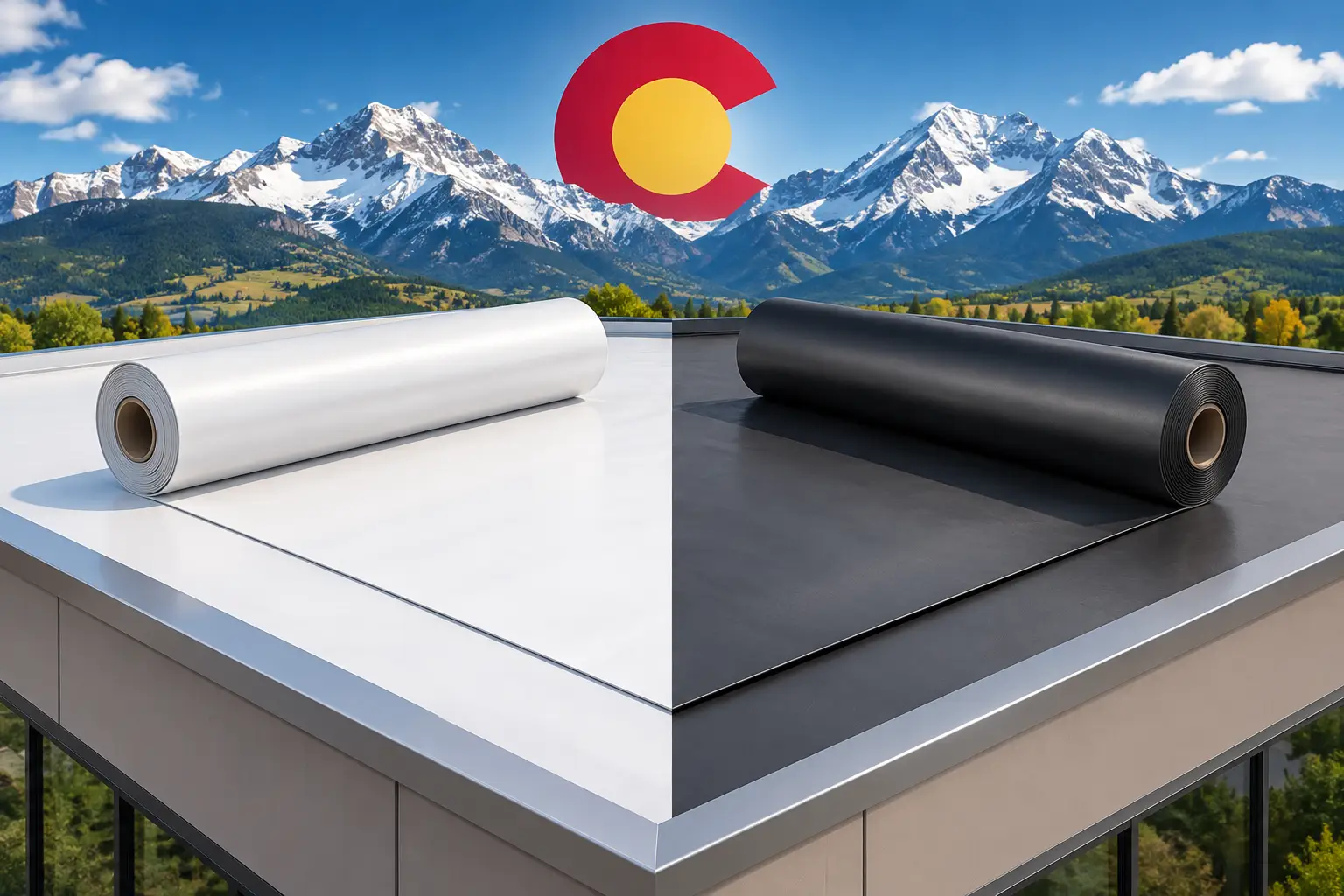
TPO stands for thermoplastic polyolefin. It is usually white or light-colored, which helps reflect sunlight and reduce heat absorbed by the roof. Its seams are heat-welded together, creating a continuous bond when installed correctly.
EPDM is a synthetic rubber membrane, most often black. It has been used on low-slope roofs for decades and is known for flexibility. EPDM seams are typically sealed with adhesives or specialized seam tape rather than heat welding.
Neither option is automatically better in every situation. The right choice comes down to how the roof is built, how water drains, whether energy efficiency is a priority, and how much future maintenance the owner wants to plan for.
Why TPO is a popular choice
TPO is often selected for its reflective surface. A white TPO membrane can help limit solar heat gain during sunny Colorado summers. That can make it a practical choice for roofs with direct sun exposure, especially when the property owner wants a lighter-colored surface.
Heat-welded seams are another major advantage. Properly welded TPO seams can be very strong, which is valuable around long runs of membrane and areas where water may sit longer after a storm. The same welding process is used to secure flashing details around roof edges, drains, pipes, and other penetrations.
TPO can also offer a clean appearance and good resistance to dirt buildup. Still, material quality and installation quality matter. TPO products vary by manufacturer and thickness, and poor seam work can create problems regardless of how good the membrane looks on paper.
A roof with ponding water, complicated penetrations, or worn insulation may need more than a new membrane. The underlying drainage and substrate should be addressed first. Installing TPO over unresolved issues can simply hide them until the next leak appears.
TPO trade-offs to consider
TPO installation requires the right equipment and an experienced crew. Heat welding is a benefit only when seams are properly cleaned, set, and tested. On a cold or windy day, installers must adjust their process to achieve consistent seams.
TPO is also not immune to punctures. Foot traffic, dropped tools, sharp debris, and storm damage can affect any single-ply roof. Protective walk pads may be a smart addition where people regularly access rooftop equipment or service areas.
Where EPDM stands out
EPDM has earned its reputation because it remains flexible through changing temperatures. That flexibility is useful in a climate where a roof may be cold overnight and warm quickly under bright afternoon sun. It can move with the building without becoming brittle when the system is designed and installed correctly.
EPDM repairs are often straightforward. A trained roofing professional can clean the affected area and apply compatible primer, tape, or patches for many common punctures and seam concerns. This repairability can be helpful for property owners focused on extending the life of an existing EPDM roof.
Black EPDM absorbs more heat than white TPO, which can be a drawback during hot weather. On the other hand, that darker surface can help melt snow in certain conditions. Snowmelt is not a replacement for proper drainage, though. Standing water remains a concern on any low-slope roof, no matter which membrane is installed.
EPDM trade-offs to consider
Because EPDM seams rely on adhesive systems or tape, preparation is critical. Dust, moisture, aging materials, or poor application can weaken a seam over time. A quality installation includes correct cleaning, priming, pressure, and edge detailing - not just rolling out rubber and calling the job finished.
EPDM may also show dirt, scuffs, and surface aging more noticeably, particularly on black membranes. That is usually an appearance issue rather than a failure, but regular inspections help catch actual concerns before they spread.
Cost is more than the price per square foot
It is tempting to compare TPO versus EPDM by asking which membrane costs less. Material price matters, but it is only one part of a roof replacement or restoration project. The total cost can change based on roof size, tear-off needs, insulation, drainage corrections, edge metal, flashing, access, and the number of pipes or other penetrations.
A lower bid may leave out important work such as replacing wet insulation, improving drainage, or repairing deteriorated decking. Those issues can undermine a new membrane long before its expected service life. An honest estimate should explain what is included, what is excluded, and why each repair is recommended.
For a roof that is otherwise in good condition, a targeted repair may make more sense than replacement. If the membrane is widely aged, the seams are failing in several areas, or moisture has reached the layers below, replacement is often the more dependable long-term decision.
Colorado weather changes the conversation
Fort Collins and the surrounding Northern Colorado area see weather that can expose weak roofing details quickly. Hail can puncture or bruise a membrane. Wind can lift poorly secured edges. Freeze-thaw cycles can worsen cracks around flashing and drains, while intense UV exposure gradually ages exposed materials.
TPO’s reflective finish can be appealing for sun exposure, while EPDM’s flexibility can be valuable through temperature movement. But storm resistance is not determined by membrane type alone. Attachment method, membrane thickness, edge securement, drainage, flashing, and workmanship all contribute to how well the roof performs.
After a hailstorm or high-wind event, do not rely only on what you can see from the ground. Some membrane damage is subtle at first, especially near seams and penetrations. A professional inspection can document conditions, identify active concerns, and provide useful information if an insurance claim is needed.
How to choose between TPO and EPDM
Start with the roof you have, not a product brochure. A qualified roofer should look at the membrane condition, roof slope, drain locations, water flow, insulation, flashing, and signs of trapped moisture. That inspection creates a clearer recommendation than choosing solely based on color or an online cost estimate.
TPO may be the stronger option when heat reflection and heat-welded seams are top priorities. EPDM may make more sense when flexibility, proven performance, and practical repair options lead the decision. In some cases, the condition of the existing roof system will narrow the choices before material preference even enters the picture.
Ask for the proposed membrane thickness, attachment method, seam approach, flashing details, warranty coverage, and whether damaged insulation or decking will be addressed. Those answers tell you far more about the expected result than a one-line quote.
Protect the details that protect your property
The seams, edges, drains, and penetrations are where a low-slope roof earns its keep. Whether you choose TPO or EPDM, proper installation and timely repairs are what turn a quality material into a dependable roof system.
Rocky Top Total Roofing can inspect your roof, explain the condition in plain language, and provide fair, honest recommendations based on what your property actually needs. A clear inspection now can help you make a confident decision before the next Colorado storm tests every detail overhead.